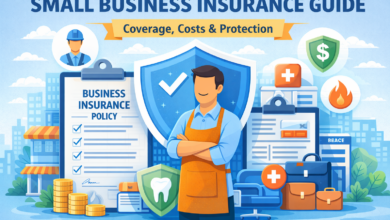
Are you a small business owner who dreams of taking your enterprise to new heights? Imagine having a safety net that safeguards your hard-earned venture against unforeseen challenges. This isn’t just a dream; it’s the power of small business insurance. In this guide, we dive deep into three indispensable small business insurance commercials that you need to consider to protect and elevate your business.
As a crucial component of any successful business strategy, the right insurance policy acts as a lifeline that empowers growth, mitigates risks, and ensures compliance with legal requirements. Let’s unlock the secrets to the perfect insurance package that can redefine the future of your small business. Join us in exploring these tailored solutions that spell security and success!



Understanding Small Business Insurance
Essential for safeguarding your entrepreneurial journey, small business insurance offers a shield against unforeseen calamities. It acts as a safety net, protecting your venture’s financial health.
Whether it’s a natural disaster, theft, or a lawsuit, small business insurance ensures your business can weather the storm. By transferring risk from your shoulders to the insurer, you can focus on growth without constant worry about unexpected events.
The Importance of Business Insurance for Small Enterprises
The lifeline of any small business, insurance plays a crucial role in maintaining operations during crises. It protects assets, employees, and revenue, allowing businesses to recover from setbacks without severe financial disruption. For small enterprises, which might not have deep financial reserves, insurance can be the difference between survival and closing doors.
Overview of Common Insurance Policies
Various policies cater to the unique needs of small businesses. Whether it’s coverage for property, liability, or employees, knowing the right type can bolster your business defense strategy.
- General Liability Insurance: Safeguards against claims of bodily injury and property damage.
- Property Insurance: Covers physical assets from perils like fire or theft.
- Workers’ Compensation Insurance: Protects employees in case of work-related injuries.
- Professional Liability Insurance: Shields against negligence claims.
- Business Interruption Insurance: Compensates for income loss during unprecedented halts.
Legal Requirements Across Regions
Different regions mandate specific insurance policies for small businesses. Understanding these requirements ensures compliance and continuous protection.
| Region | Legal Requirements |
|---|---|
| United States | General liability insurance is recommended; Workers’ compensation is typically required. |
| United Kingdom | Employers’ liability insurance is compulsory for businesses with employees. |
| Australia | Public liability insurance is needed for businesses operating with the public. |
Risks Faced by Small Businesses
Small businesses encounter numerous risks that can endanger their stability and success. By proactively insuring against these, you position your business for resilience.
The typical risks include: natural disasters, cyber threats, third-party liability claims, and employee injuries. Small business insurance mitigates these risks by covering the costs and ensuring that setbacks don’t spiral into insurmountable challenges.
“Having the right insurance means the difference between bouncing back and closing down.”
Key Types of Small Business Insurance
Choosing the right insurance for your small business can be a game-changer, ensuring protection and peace of mind. Let’s explore the crucial insurance options tailored for small enterprises.
Understanding General Liability Insurance and Its Benefits
General liability insurance is essential for businesses, covering bodily injury, property damage, and personal injury claims. This type of coverage safeguards your business from unforeseen accidents and legal costs related to such incidents. Imagine a customer slipping in your store—a general liability policy helps manage expenses from medical costs to legal fees.
Differences Between Property Insurance and Business Interruption Insurance
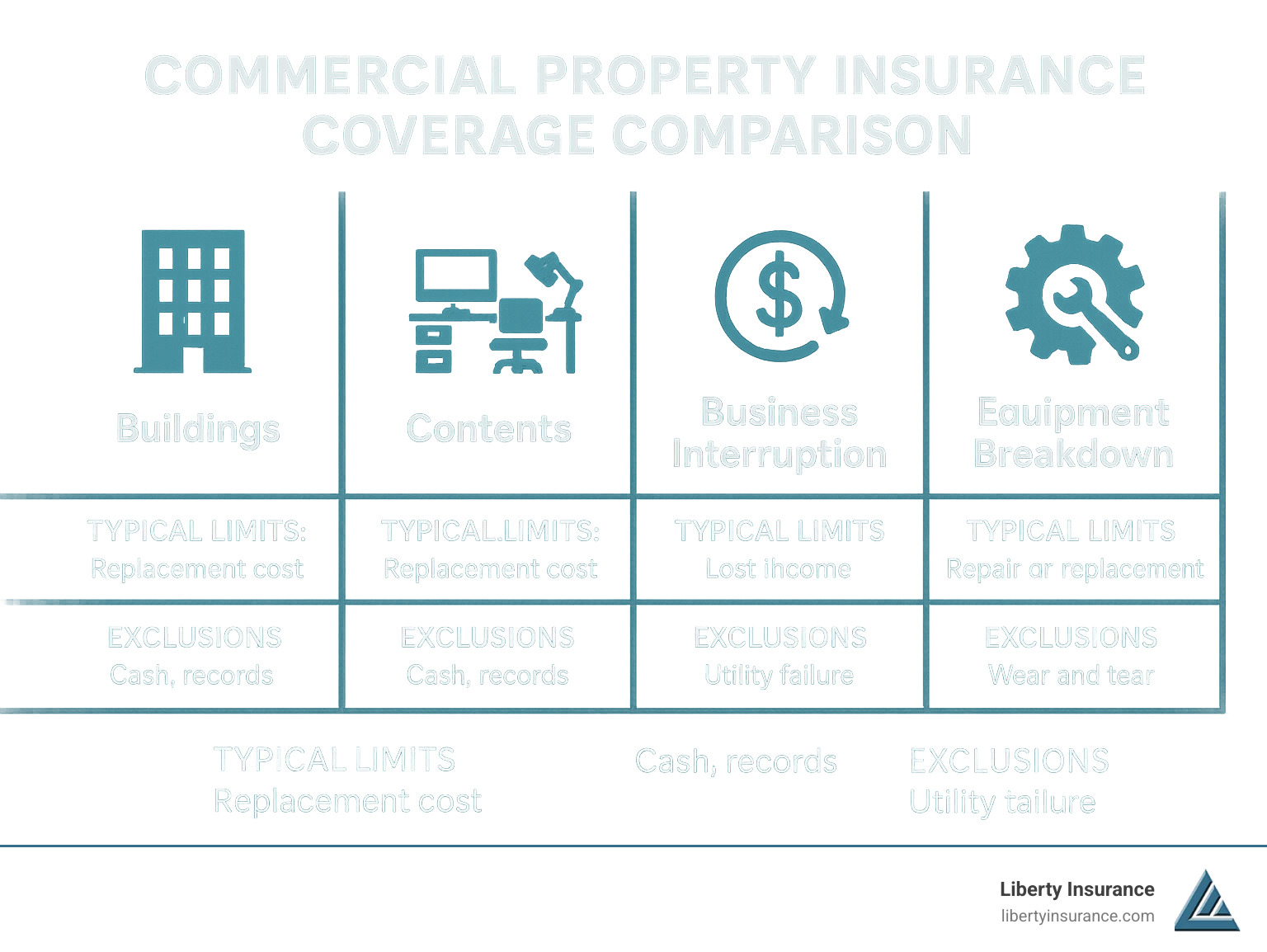
Diving deeper into specific insurance types, it’s important to distinguish between property insurance and business interruption insurance. Property insurance covers the physical assets of your business, like buildings and inventory, protecting against damages from events like theft or fire. On the other hand, business interruption insurance focuses on the loss of income a business might face following a disaster. While property insurance might cover the cost of repairs, business interruption insurance ensures that lost revenue during downtime is also addressed.
Comparing Professional Liability Insurance with Product Liability Insurance
| Aspect | Professional Liability Insurance | Product Liability Insurance |
|---|---|---|
| Coverage Focus | Protects against claims of negligence or mistakes in professional services. | Covers risks associated with injuries or damages caused by products sold. |
| Beneficiaries | Ideal for service-based businesses like consultants or architects. | Essential for manufacturers and retailers. |
| Examples | If a client claims your advice led to financial loss, you’re covered. | If a product defect leads to injury, this insurance kicks in. |
Less Common Business Insurances for Niche Industries
Beyond the basics, various less common insurances can be crucial for businesses operating in niche sectors, offering tailored risks protection.
- Cyber Liability Insurance: Shields businesses from cyber-attacks and data breaches.
- Equipment Breakdown Insurance: Covers repair or replacement of malfunctioning machinery.
- Directors and Officers Insurance: Protects company leaders from personal losses due to company management decisions.
- Employment Practices Liability Insurance: Defends against claims from employees, such as discrimination or wrongful termination.
“The right insurance, tailored to your business, means peace of mind and focus on growth.”
Evaluating Small Business Insurance Needs
Every small business is unique, requiring a tailored approach to insurance coverage. Let’s delve into essential strategies to ensure your business is neither over-insured nor underinsured.
Identifying the exact insurance needs involves a detailed assessment of your business’s potential risks. A thorough evaluation can help avoid unnecessary costs and ensure optimal protection against unforeseen circumstances.
Strategies for Assessing Small Business Insurance Needs
The initial step is to conduct a risk analysis. Determine the specific risks associated with your industry and locality. Consider factors such as physical assets, liability risks, employee-related exposures, and revenue streams. Engaging with an insurance advisor who understands your sector can provide valuable insights.
- Analyze historical claims data to identify recurring risks.
- Review regulatory insurance requirements pertinent to your business type.
- Engage stakeholders from various departments for a holistic risk evaluation.
- Evaluate your risk tolerance to determine deductible levels.
Customizing a Policy for Unique Business Requirements
Customizing your insurance involves aligning policy features with specific business needs. Here’s how you can ensure your policy is tailored effectively:
- Bundle policies when possible to gain cost-effective coverage.
- Choose endorsements that address particular risks like cyber threats or natural disasters.
- Review and update policies annually as your business grows or pivots.
- Consider business interruption insurance tailored to your revenue cycle and industry disruptions.
Calculating Potential Coverage Using Hypothetical Business Scenarios
Understanding the coverage you need can be challenging without context. Let’s review hypothetical scenarios that illustrate how to compute the appropriate insurance coverage.
| Scenario | Business Type | Key Insurance Needs |
|---|---|---|
| Scenario A | Local Bakery | Property Insurance, Equipment Breakdown |
| Scenario B | IT Consulting Firm | Professional Liability, Cyber Liability |
| Scenario C | Construction Contractor | General Liability, Workers’ Compensation |
Evaluate the replacement cost of assets and potential liabilities based on these scenarios. Use tools or calculators provided by insurers to simulate different loss situations.
Case Study: Adjusting Coverage for Optimal Risk Management
Consider the example of a small restaurant that faced a fire, only to discover it was underinsured. Initially, it had basic coverage that excluded business interruption. Post-incidence, the owners conducted an in-depth risk assessment and realized the importance of protective add-ons.
“We underestimated our need for business interruption insurance, realizing that coverage is as much about maintaining operations as protecting our space.” – The Restaurant’s Owner
After revisiting their policy, the restaurant’s owners included a comprehensive package covering equipment, loss of income, and liability. Their proactive adjustment fortified them against future incidents, demonstrating the power of tailored coverage.
Choosing an Insurance Provider
Discovering the perfect insurance provider for your small business can feel like finding a needle in a haystack. However, with careful consideration of what’s essential for your business, you can make an informed decision.
Let’s delve into how you can choose a reputable insurance provider specifically tailored to the unique needs of small businesses.
Evaluating Insurance Providers: What to Look For
When selecting an insurance provider, consider their financial stability, customer service reputation, and the variety of coverage options they offer. A provider’s track record can often speak volumes about their reliability. Look for consistency in customer satisfaction ratings and speed in processing claims. Remember, the cheapest option isn’t always the best if it comes at the cost of customer service and reliability.
Providers should also offer tailored plans to suit the diversity of small businesses, ensuring you’re not overpaying for coverage you don’t need, while still protecting each unique facet of your business.
Compare Different Insurance Providers Using a Pros and Cons Chart
To simplify your decision-making process, utilize a pros and cons chart. This visual aid can help highlight each provider’s strengths and weaknesses at a glance.
| Provider | Pros | Cons |
|---|---|---|
| Provider A | Wide coverage options, Excellent customer service | Higher premiums |
| Provider B | Competitive pricing, Quick claims processing | Limited coverage options |
| Provider C | Customizable plans, Strong financial backing | Average customer service |
Checklist for Evaluating Insurance Quotes and Coverage Terms
Before you commit to an insurance policy, ensure you’ve thoroughly evaluated the quotes and coverage terms. Here’s a checklist to help you assess every crucial detail:
- Confirm that coverage aligns with your specific business risks.
- Understand the deductibles and how they affect your premiums.
- Review policy exclusions and limitations carefully.
- Consider the flexibility of the policy to grow with your business.
- Check the provider’s financial ratings with credible agencies.
- Scrutinize any added fees for policy adjustments or cancellations.
Each point in this checklist will guide you in ensuring your coverage is both comprehensive and customized to meet your unique needs.
The Role of an Insurance Broker
Insurance brokers act as intermediaries between you and insurance providers, equipped with valuable insights to help you navigate the complexities of insurance policies. They facilitate the selection process by comparing different providers’ offerings and negotiating terms on your behalf.
“The right broker can be your greatest ally, simplifying complicated terminologies, and ensuring you have the best coverage at the best price.”
Leveraging their expertise allows you to focus on growing your business with the peace of mind that your insurance needs are being expertly managed.
Cost Implications of Small Business Insurance
Understanding the cost implications of your small business insurance is crucial to managing your expenses and ensuring comprehensive coverage. By identifying the factors that influence your insurance premiums, you can strategize effectively to balance cost and coverage.
The cost of business insurance premiums can vary significantly based on several key factors. These include the size of your business, the industry you operate within, your claims history, and the specific types of coverage you require. Additionally, geographic location and business property value can also impact pricing.
Factors Influencing Premium Costs
Several key elements influence the cost of business insurance premiums:
- Business Size: Larger businesses, often with more employees and higher revenue, can expect higher premiums.
- Industry Risks: Certain industries, such as construction or healthcare, have inherently higher risks, leading to increased insurance costs.
- Claims History: A history of frequent claims can flag increased risk to insurers, raising your premium rates.
- Coverage Types: Comprehensive coverage will naturally be more expensive than basic policies. Tailor your coverage to your specific risks to optimize costs.
Strategies to Reduce Insurance Costs
Efficiency in managing your insurance expenses doesn’t have to compromise your coverage quality. Here are a few methods to save on costs:
- Risk Mitigation: Implement safety programs and risk management practices to reduce potential claims, which could lower your premiums.
- Bundle Policies: Many insurers offer discounts for bundling multiple policies, such as liability and property insurance.
- Raise Deductibles: By increasing your deductible, you can lower your immediate premium costs—but ensure you have sufficient funds to cover the deductible if you need to file a claim.
Impact of Deductibles on Premiums
The deductible you choose can significantly impact your premium costs. Consider the following comparison:
| Deductible Amount | Monthly Premium |
|---|---|
| $500 | $150 |
| $1,000 | $120 |
| $2,500 | $90 |
| $5,000 | $75 |
Guide to Tax Implications and Deductions
Small business insurance not only protects your business but can also offer tax advantages. It’s crucial to understand the potential deductions to effectively manage your tax liabilities:
- Deductible Premiums: Most business insurance premiums are tax-deductible, reducing your taxable income.
- Qualified Business Income Deduction: This can offer additional tax savings beyond deducting insurance premiums, available to eligible businesses under specific conditions.
- Documentation: Maintain thorough records of all insurance-related expenses for accurate tax filing.
Managing your small business insurance costs efficiently is about understanding your options and making informed decisions that propel your business forward while controlling expenses.
Adjusting Insurance as a Business Grows
As your business embarks on new adventures and grows, your insurance needs evolve too. Staying on top of these changes ensures your business remains safe and secure, no matter the size or scale.
Regularly reviewing and updating your insurance policies is crucial. A business that experiences significant changes, whether growth or downsizing, must align its insurance coverage with its current operational needs to avoid gaps that could lead to financial risks.
Scenarios for Modifying Insurance Coverage
When should you consider revisiting your insurance strategy? Here are key scenarios warranting a rethink:
- You’ve hired new employees – This might necessitate workers’ compensation and adjusted liability coverage.
- Expanded operations to new locations – Ensure your policies include coverage for new geographical areas and associated risks.
- Change in business offerings – New products or services often require revised liability insurance.
- Substantial increase in revenue – More earnings imply higher assets at risk, necessitating a review of your property and liability limits.
Strategies for Managing Insurance During Expansion or Downsizing
Whether your business is expanding or reducing its footprint, consider these strategies:
- Consult with your insurance agent or broker regularly to ensure you’re properly covered.
- Implement a point-in-time evaluation strategy; scale up policies during growth and right-size them during downsizing.
- Adopt a forward-looking assessment – anticipate future expansions and secure policies that can adapt to such growth.
Timeline for Insurance Adjustment
Creating a timeline helps track when insurance updates might be necessary. Here’s a basic guide:
| Business Milestone | Potential Insurance Adjustment |
|---|---|
| Quarterly Financial Review | Reassess revenue and property insurance needs |
| Annual Business Plan Evaluation | Update coverage to align with strategic objectives |
| Staffing Changes | Adjust workers’ compensation and liability policies |
| Opening New Locations | Include new locale-specific risks and coverage in policy |
“Insurance isn’t a one-time task. It’s a continual process that grows with your business.”
Final Thoughts
:max_bytes(150000):strip_icc()/BestCommercialBusinessInsuranceCompanies_final-a23ae3f101fb4e749d31e3855a979a95.png "Best Commercial Insurance for Small Businesses")
Now that you’re armed with the knowledge to navigate the world of small business insurance, it’s time to take action. Whether you’re just starting or looking to optimize your current coverage, these three commercial insights offer a roadmap to security and peace of mind. Remember, the right insurance is not just a purchase; it’s an investment in your future. Secure your dream business today, and watch it thrive with confidence!
Common Queries
What types of insurance are crucial for small businesses?
The three primary types include general liability insurance, property insurance, and professional liability insurance, each designed to cover specific risks.
How can small businesses benefit from general liability insurance?
General liability insurance protects against claims related to bodily injury, property damage, and advertising mistakes, safeguarding your financial health.
What is the difference between property insurance and business interruption insurance?
Property insurance covers physical assets like buildings and equipment, while business interruption insurance compensates for lost income during temporary closures.
Why might a small business need product liability insurance?
Product liability insurance helps protect a business if a product they produce or sell causes harm or injury, a vital coverage for manufacturers and distributors.
How do I determine the right amount of coverage for my business?
Evaluate personal business risks, review regional legal requirements, and consult an insurance advisor to customize a policy that fits your needs.
What role does an insurance broker play?
An insurance broker assists in finding the best policy by comparing different providers and guiding you through the purchasing process.
How can small businesses reduce insurance costs?
Increasing deductibles, implementing safety programs, and bundling policies are effective strategies to lower insurance premiums without sacrificing coverage.